A good friend of mine was visiting me on sunday and so we made some matches of DBA. He has played tabletop earlier but isn't an active gamer anymore. Anyhow he quickly learned how to play DBA - it's simply a great game, easy to learn but difficult to master! Ok, he has played DBA twice before when we met after christmas, but that was also some time ago.
So I set everything up and we chose our armies. At the moment I basically own Greeks and Macedonians, so it had to be a combination of these two. My friend chose to field the forces of Antipater. I looked in the list for potential enemies and found Athens, which I played. With these armies we simply had to play the Lamian war (323-322 BC), which broke out after the death of Alexander the great. The Greek cities rose up again to regain their freedom, but were ultimately suppressed and lost their autonomy forever. Focus of the war was the town of Lamia (therefore Lamian war). This conflict was overshadowed by the wars of the Diadochoi, but indeed has much wargaming potential with it's land battles, sieges and marine operations. We decided to interprete the history for our needs, so the following battles are recreated, but only set in the context of the Lamian war
So I set everything up and we chose our armies. At the moment I basically own Greeks and Macedonians, so it had to be a combination of these two. My friend chose to field the forces of Antipater. I looked in the list for potential enemies and found Athens, which I played. With these armies we simply had to play the Lamian war (323-322 BC), which broke out after the death of Alexander the great. The Greek cities rose up again to regain their freedom, but were ultimately suppressed and lost their autonomy forever. Focus of the war was the town of Lamia (therefore Lamian war). This conflict was overshadowed by the wars of the Diadochoi, but indeed has much wargaming potential with it's land battles, sieges and marine operations. We decided to interprete the history for our needs, so the following battles are recreated, but only set in the context of the Lamian war
1. Battle of Lamia
As in history, in our first game the Greeks were attackers. They marched north to conquer the town of Lamia. A Macedonian army was hastily send to prevent this. Both armies clashed on the fertile plains near Lamia. All hills were gentle, so only the woods were difficult terrain.

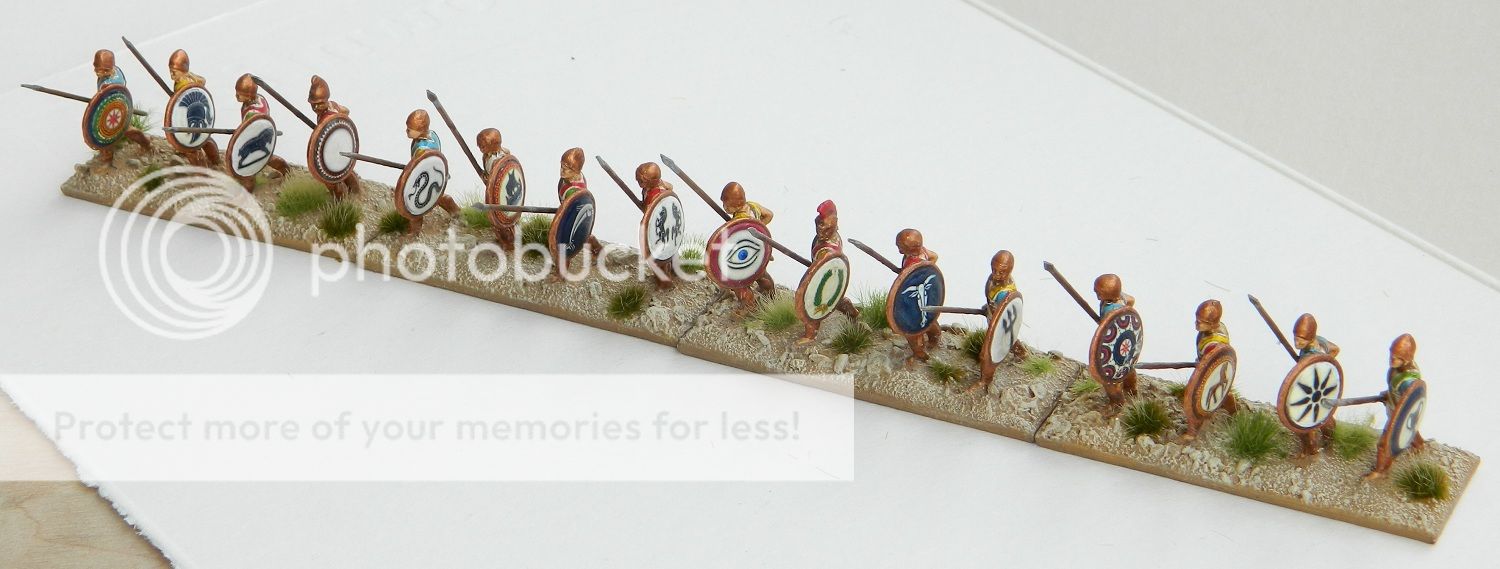
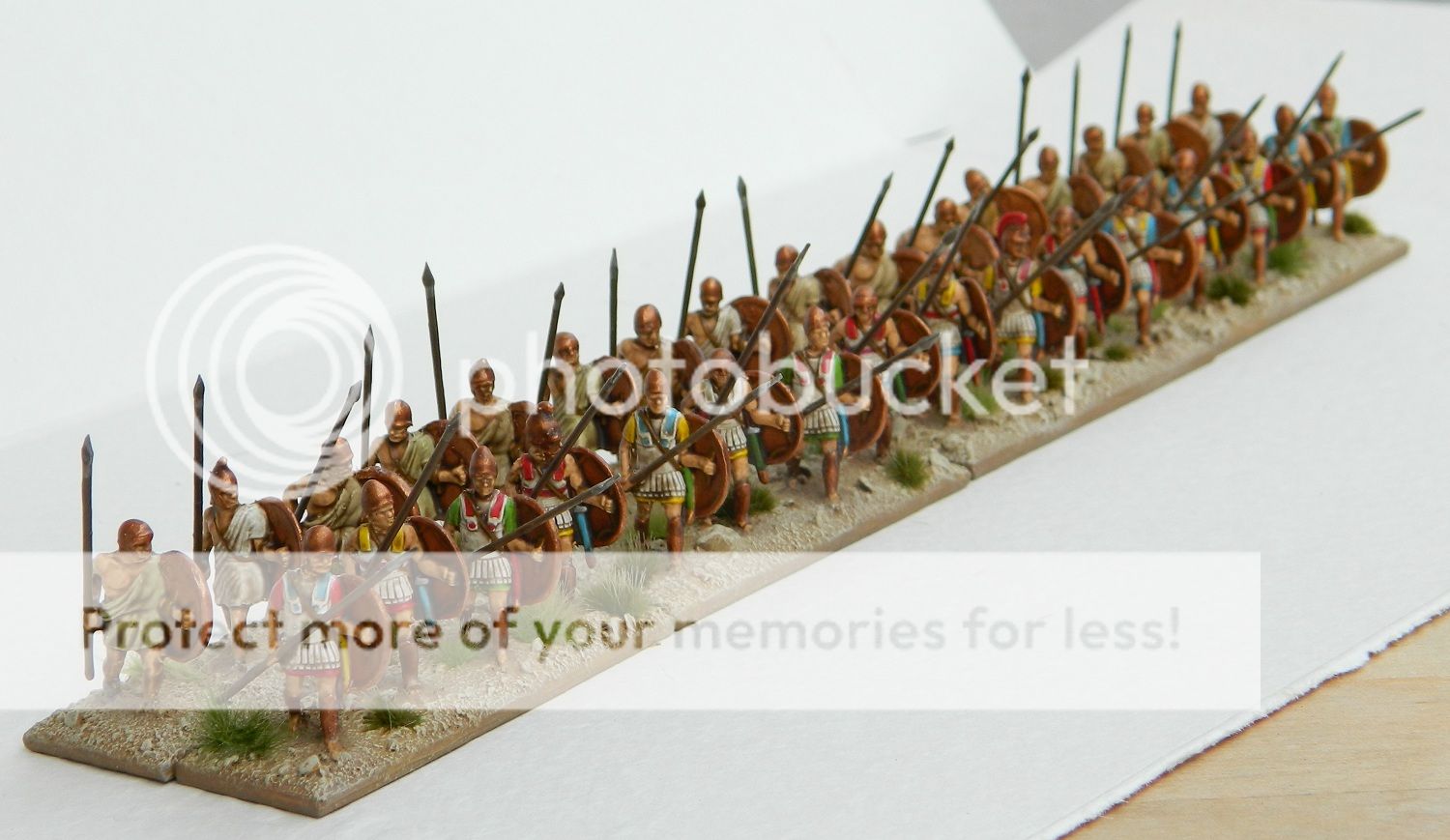
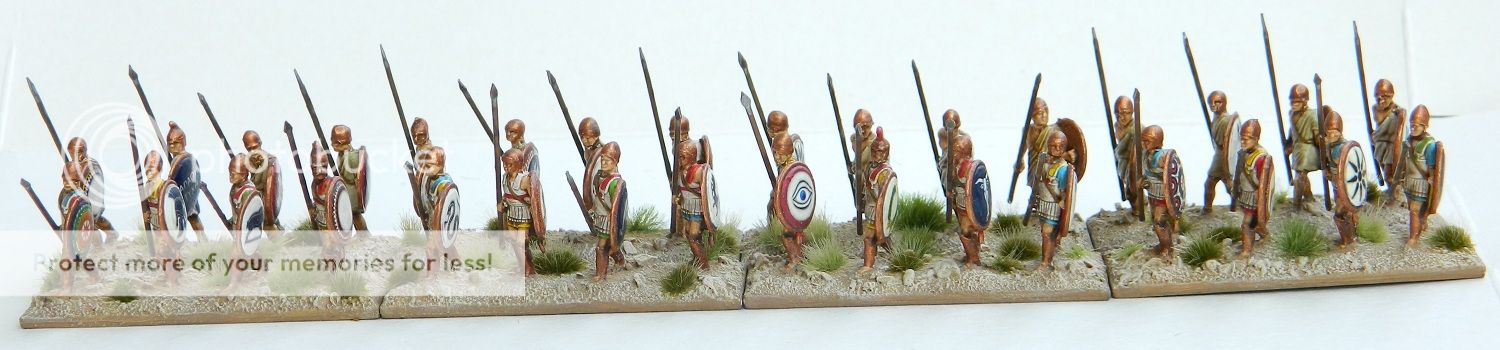
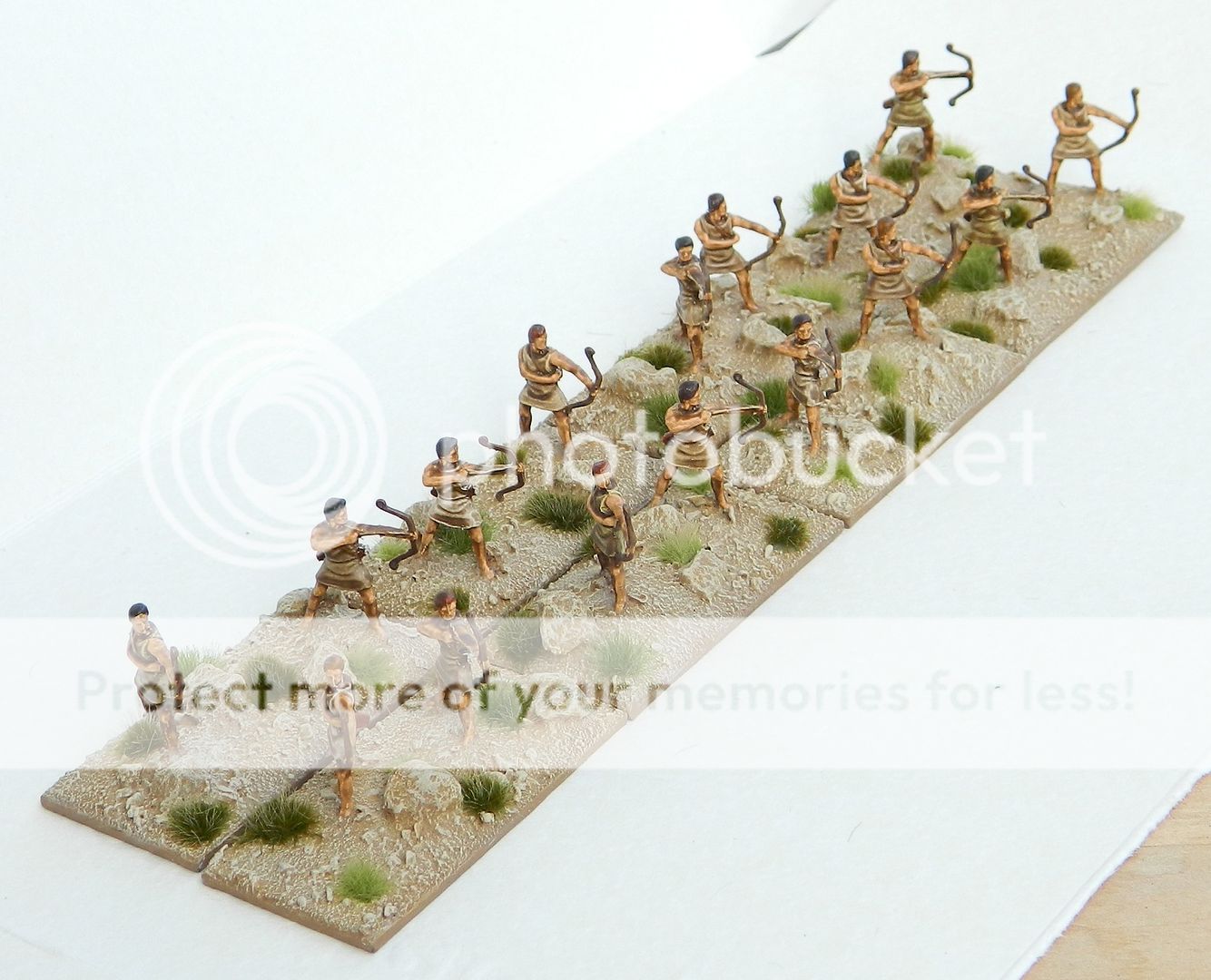
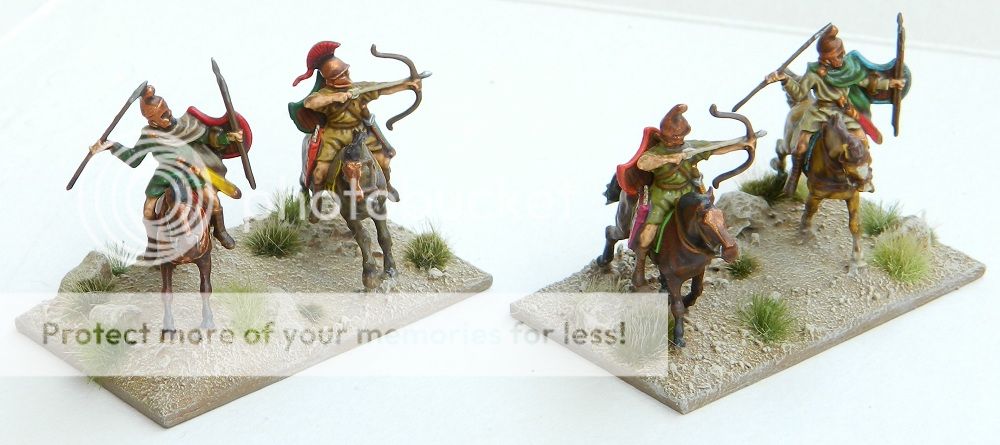
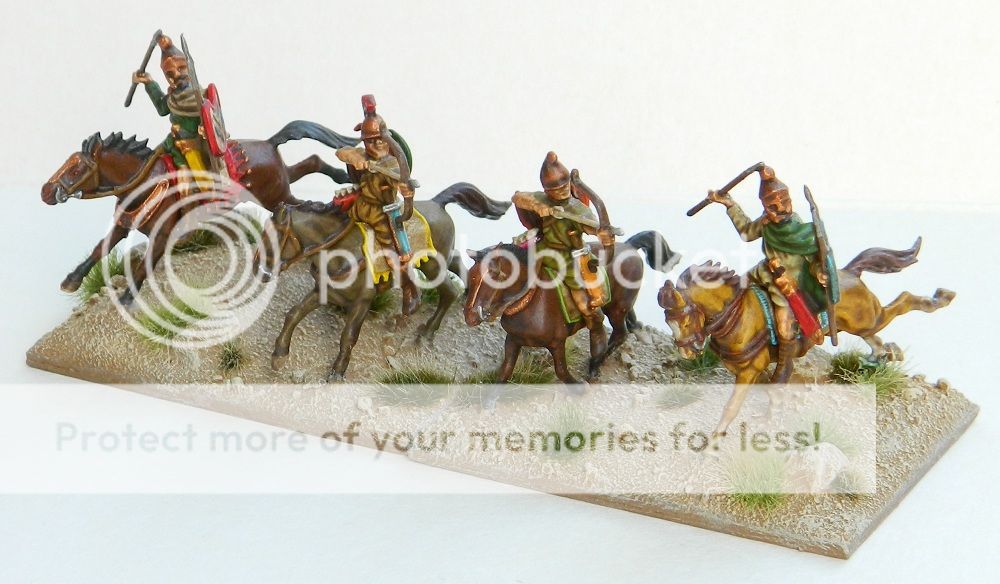
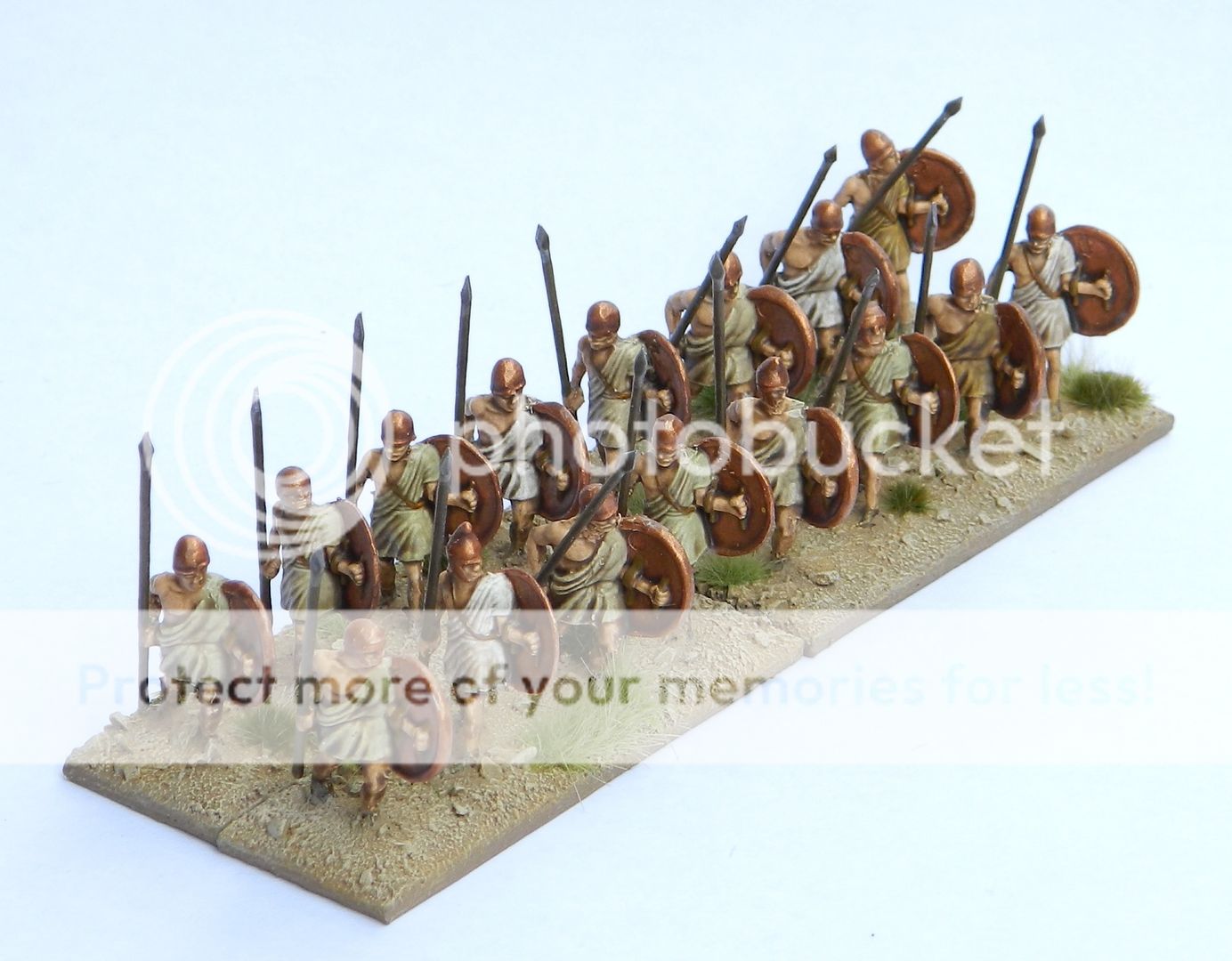
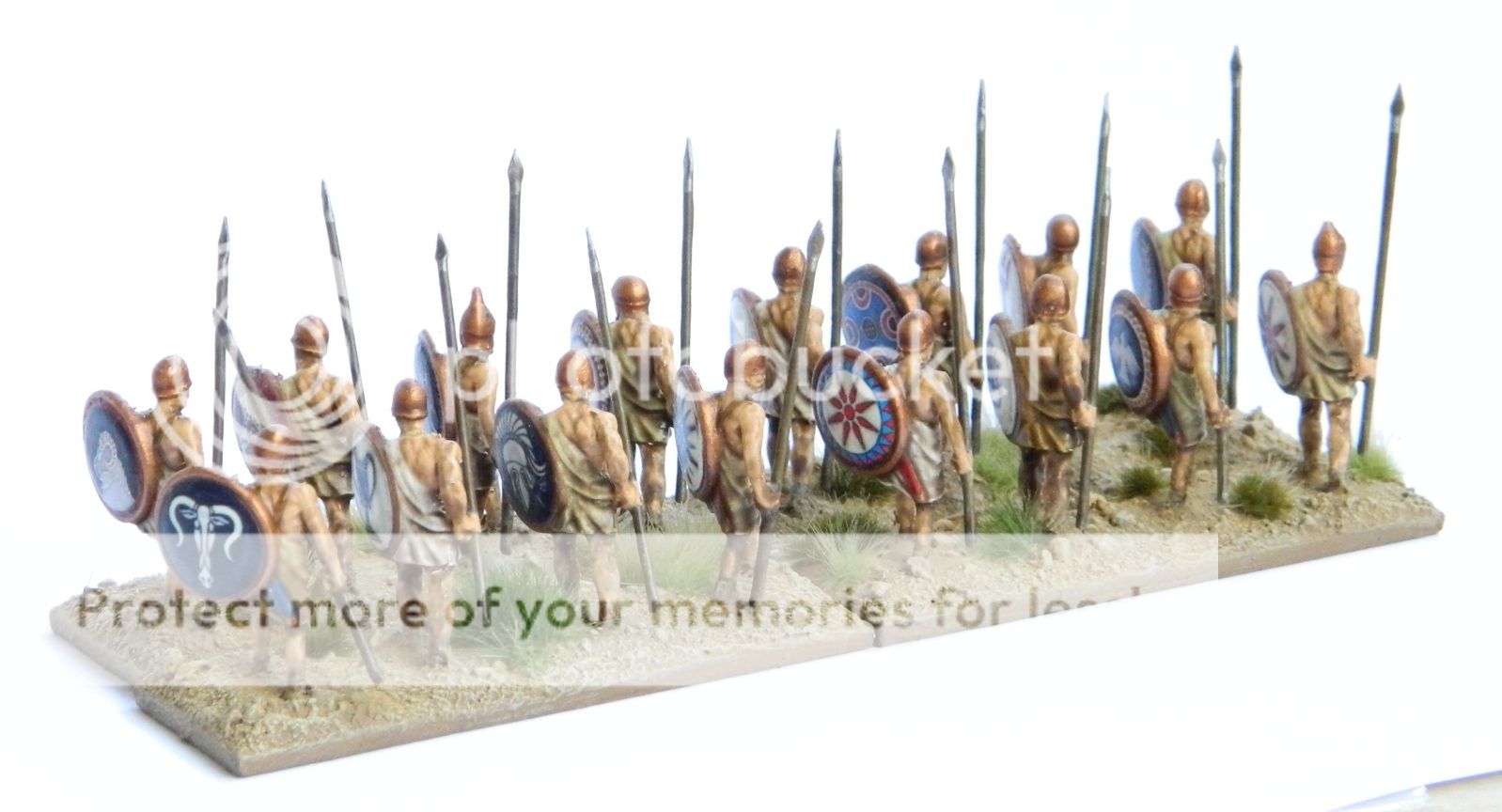
The view from the Greek perspective: the hoplite phalanx on the left, fully extended. Psiloi and auxilia behind the woods, on the extreme right a unit of cavalry. Not in the picture is a unit of light horse on the extreme left.
On the other side stood the Macedonians. On their right flank was a mighty elephant, in the center the extended pike phalanx. Auxilia closed the gap between the phalanx and the hill. On the hill were the psiloi, behind them the cavalry in reserve.


The Greek general (that was me) wanted to resolve this battle quickly. His plan was to use his longer line to overwhelm the Macedonian phalanx before they could outflank him with their superior and more numerous cavalry (bottom right on the picture). So he pressed on with all his troops.

But it was too late! Antipater destroyed the auxilia, which should guard the flank of the phalanx. Things went bad for the Greeks, who seeked the decision in infantry combat.

This is how the final close combat began. Despite their longer line the Greek phalanx was thrown into disorder. To make things worse the Macedonian cavalry wheeld around to hit the phalanx in the flank, just in time. The Greeks are trapped and so the line collapsed. As the casualty rose the hoplites threw away their shields to run away. The battle ended with a glorious Macedonian victory, they didn't even lost a single base!
Conclusion: it was a fast and fun battle. The Macedonians had a good timing which brought them victory. I need to paint some casualty markers (you don't need them for DBA, but they look pretty cool and I'm a wargaming aesthete).
Conclusion: it was a fast and fun battle. The Macedonians had a good timing which brought them victory. I need to paint some casualty markers (you don't need them for DBA, but they look pretty cool and I'm a wargaming aesthete).